
Unity Financial Technicala71f1bfa_admin2025-07-30T18:12:39-04:00
Driving Transformation Together With
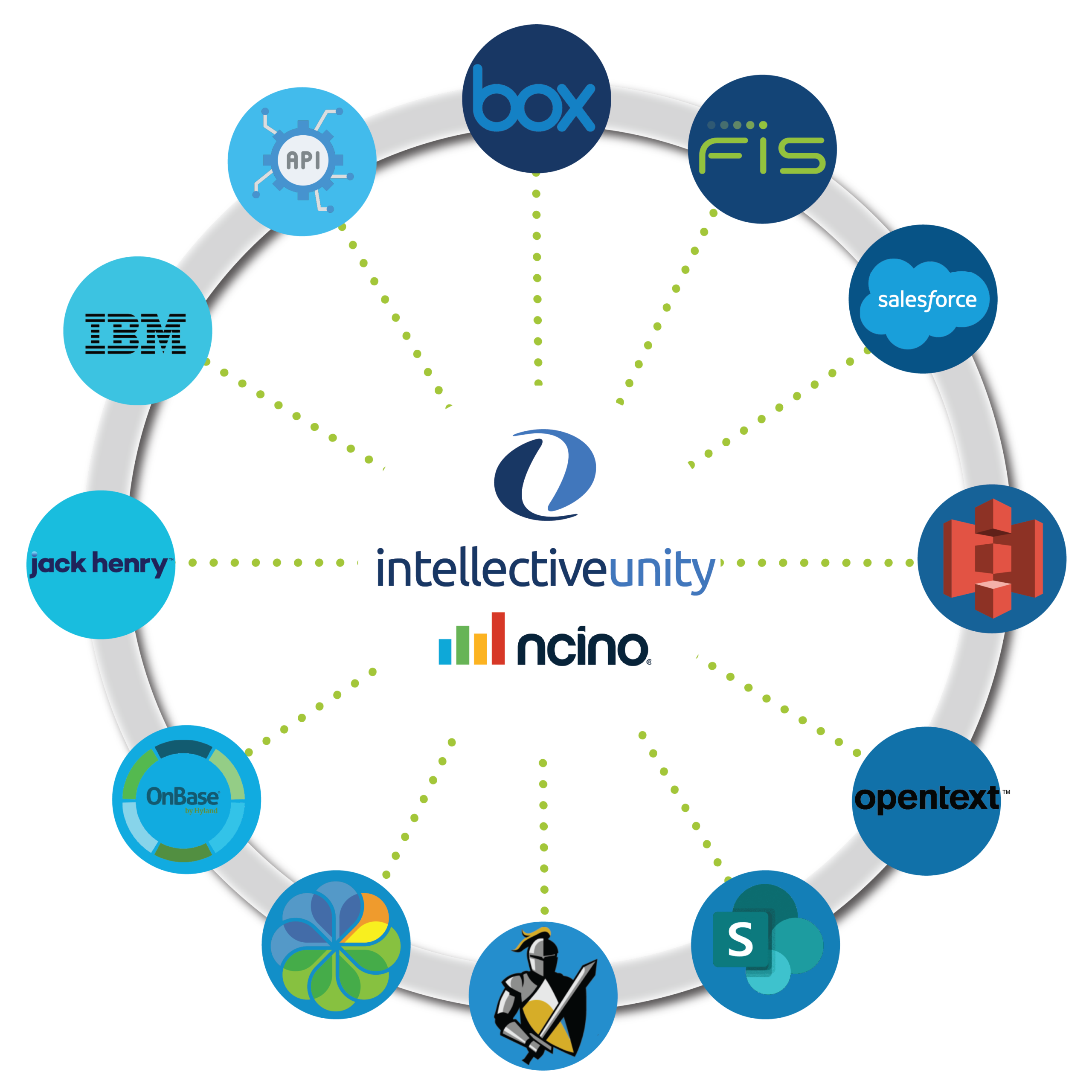
Unity delivers a real-time, normalized view of enterprise data across legacy and modern systems—structured and unstructured—without requiring costly migration or system replacement. Its federated architecture harmonizes metadata, resolves duplication, and applies unified security and access controls across platforms.
Unity feeds unified, real-time data from disparate systems directly into existing applications and user interfaces—such as nCino, Salesforce, and core banking platforms—using robust APIs. Banks can continue using the tools their teams already know, while gaining access to consistent, cross-platform data. For new use cases or extended workflows, Unity also offers optional, configurable, and embeddable UI components to enhance or supplement existing front-end systems.
Unity supports scalable modernization strategies with integrated ETL, data consolidation, and cloud-native deployment options. It unlocks AI and analytics readiness, reduces infrastructure and maintenance costs, and strengthens compliance with centralized governance, audit trails, and policy enforcement.
Enterprise – Wide Unified Data Access
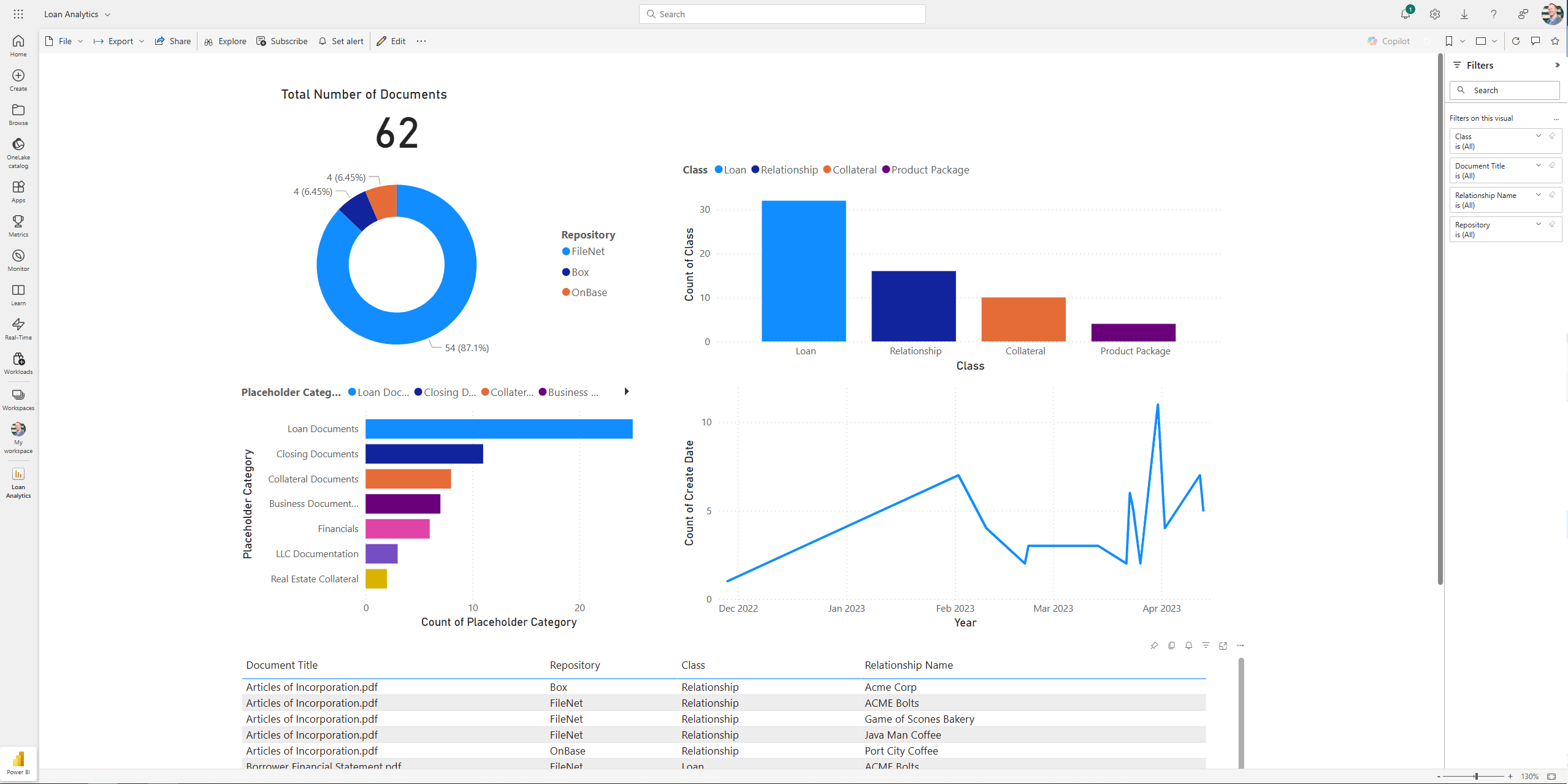
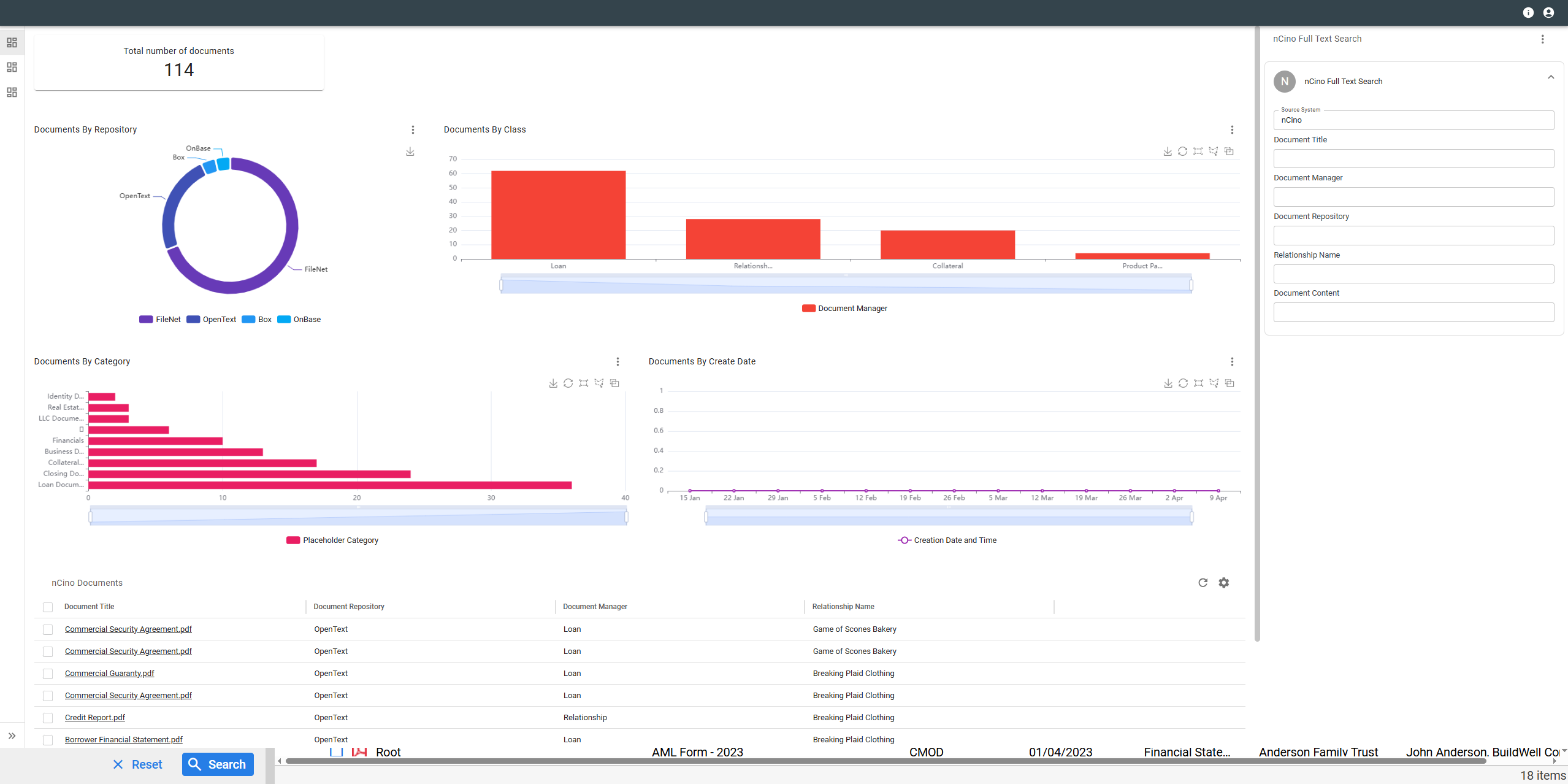
Unity delivers secure, real-time access to unified data – structured or unstructured, legacy or modern – from all your banking systems. Using federated indexing, metadata normalization, and optional migration capabilities, Unity integrates diverse sources without immediate data consolidation.
Empower your users with consistent, actionable insights, enabling faster, smarter business decisions, while providing IT the flexibility to plan and execute migrations on their own schedule without impacting business operations.
Flexible, Unified User Experience
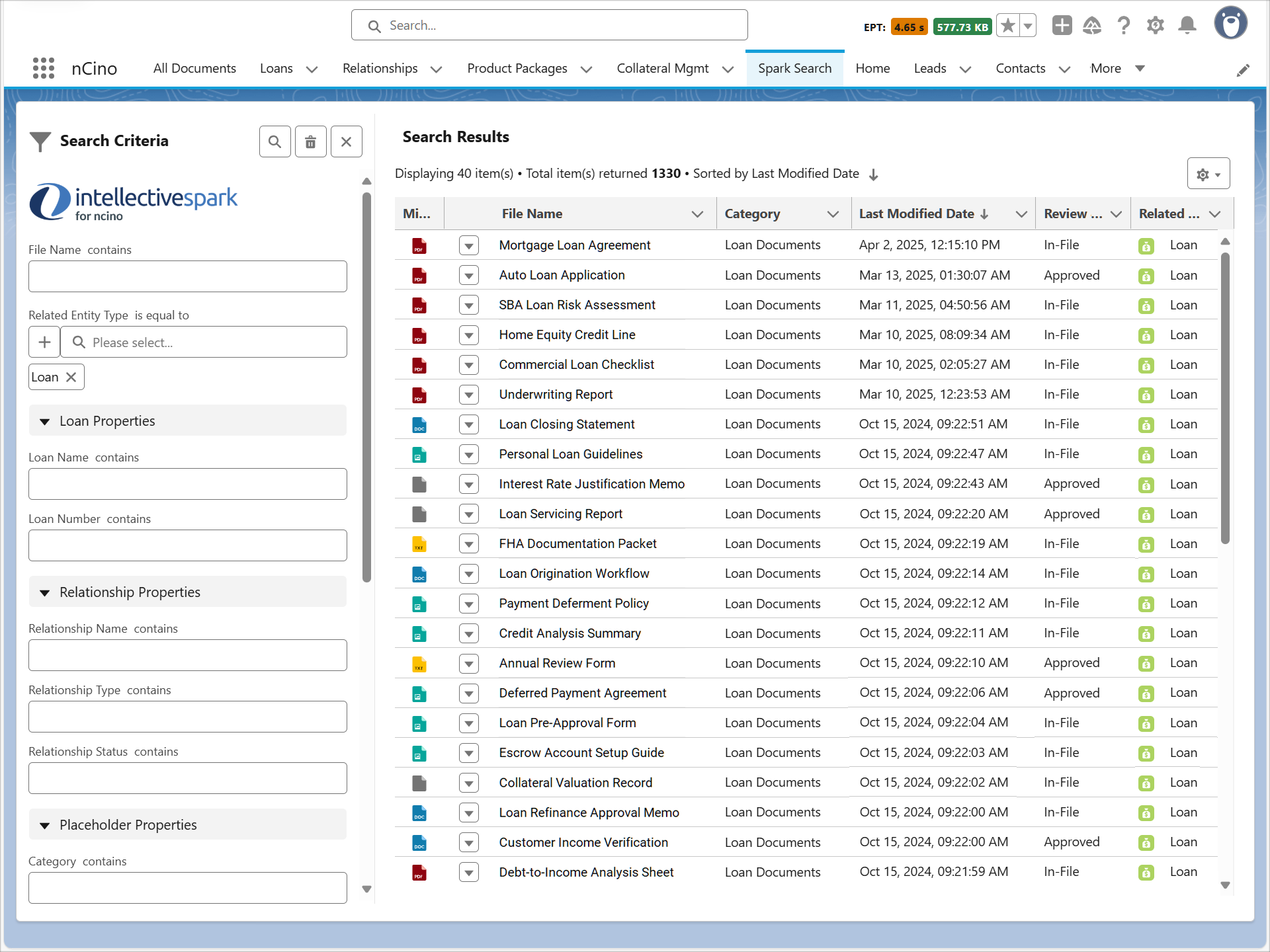
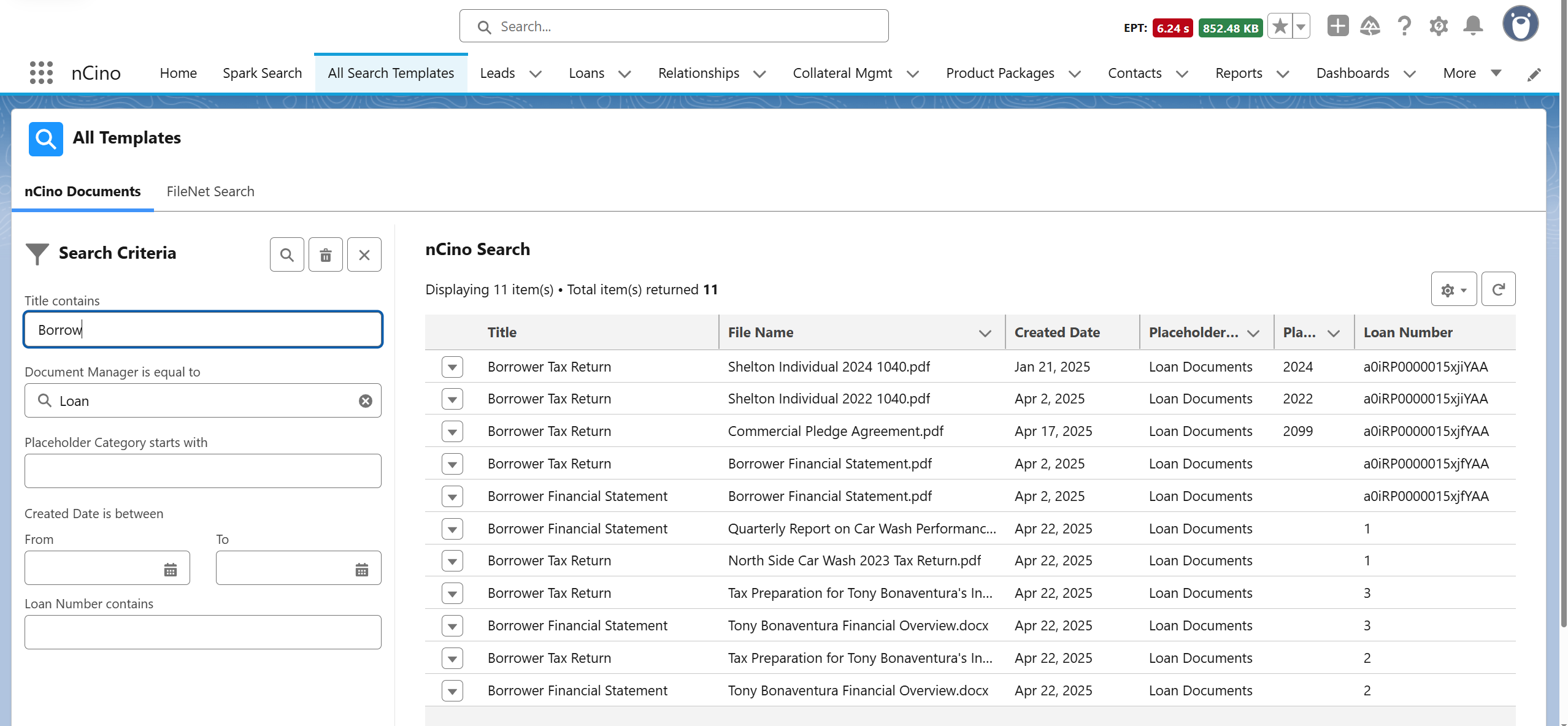
Unity powers your existing banking interfaces such as nCino or core applications via robust APIs and offers a flexible, built-in user interface. Users retain familiar applications while benefiting from seamless, real-time access to unified enterprise data.
Unity dynamically adapts content and workflows based on user roles and contexts, reducing friction, improving productivity, and enhancing operational efficiency across every banking department.
Consistent Security Across Banking Systems
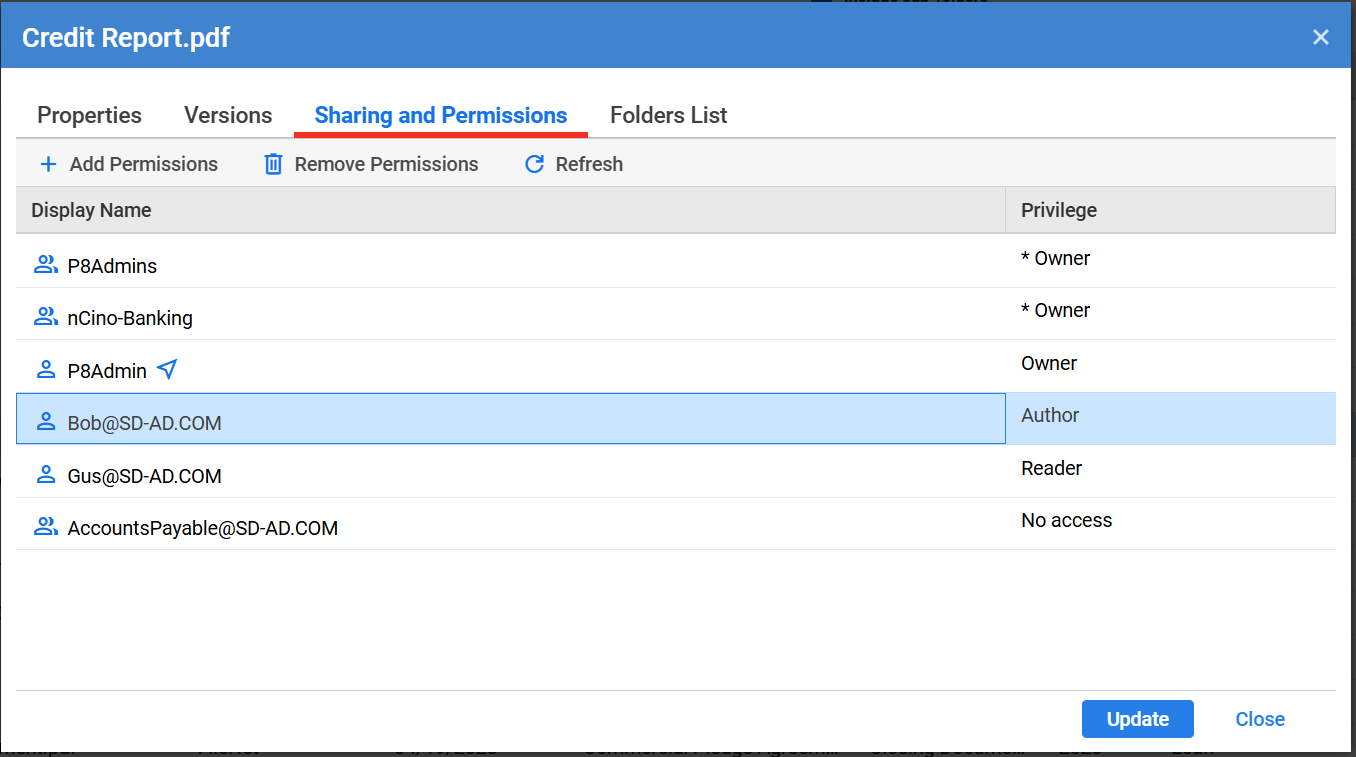
Unity addresses fragmented, incompatible security models by applying a unified, dynamic security framework across legacy and modern banking platforms. Achieve consistent access control, centralized policy enforcement, and comprehensive audit trails throughout your systems.
By eliminating security gaps created by disconnected environments, Unity simplifies enterprise-wide governance, reduces operational risks, and helps banks confidently manage and secure data assets regardless of their originating systems.
Enterprise Case and Workflow Management
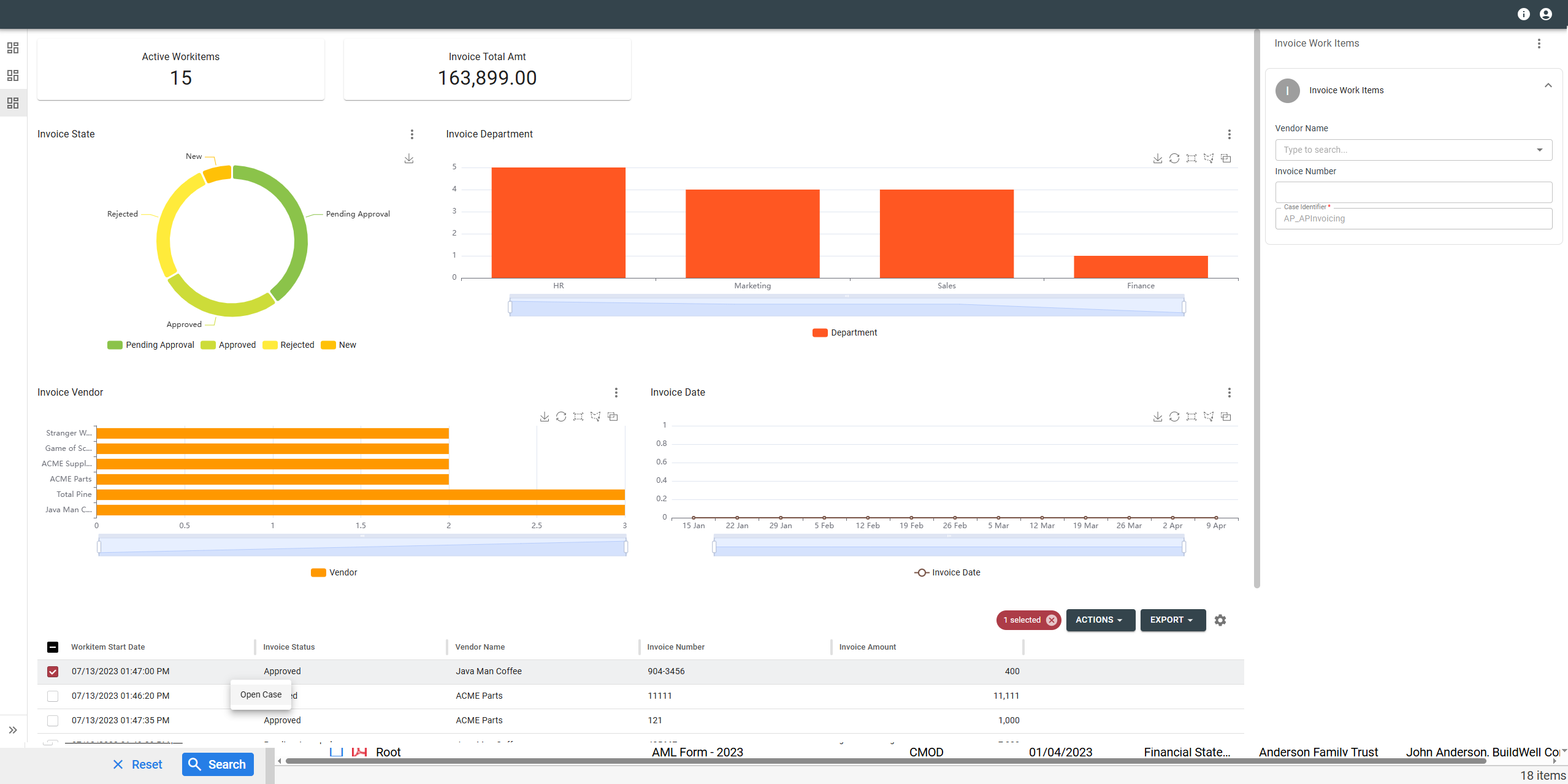
Unity consolidates fragmented banking workflows by providing integrated case management capabilities and seamless integration with your existing case management systems. By connecting tasks, data, documents, and actions from multiple systems into cohesive workflows, Unity removes inefficiencies and redundant manual steps.
Users gain an intuitive, consistent experience across complex processes, resulting in improved operational agility, reduced errors, streamlined decision-making, and greater user productivity.
Modernization and Elastic Platform Scaling
Unity enables modernization of legacy banking systems without disruptive migrations, allowing IT to strategically migrate data without affecting daily operations. Its migration and ETL tools support phased, non-disruptive transitions.
Elastic scalability and cloud-native deployment help banks consolidate infrastructure, lower costs, and drive innovation – providing the flexibility to gradually or rapidly transition to a modern, agile, and scalable technology stack designed for future growth.